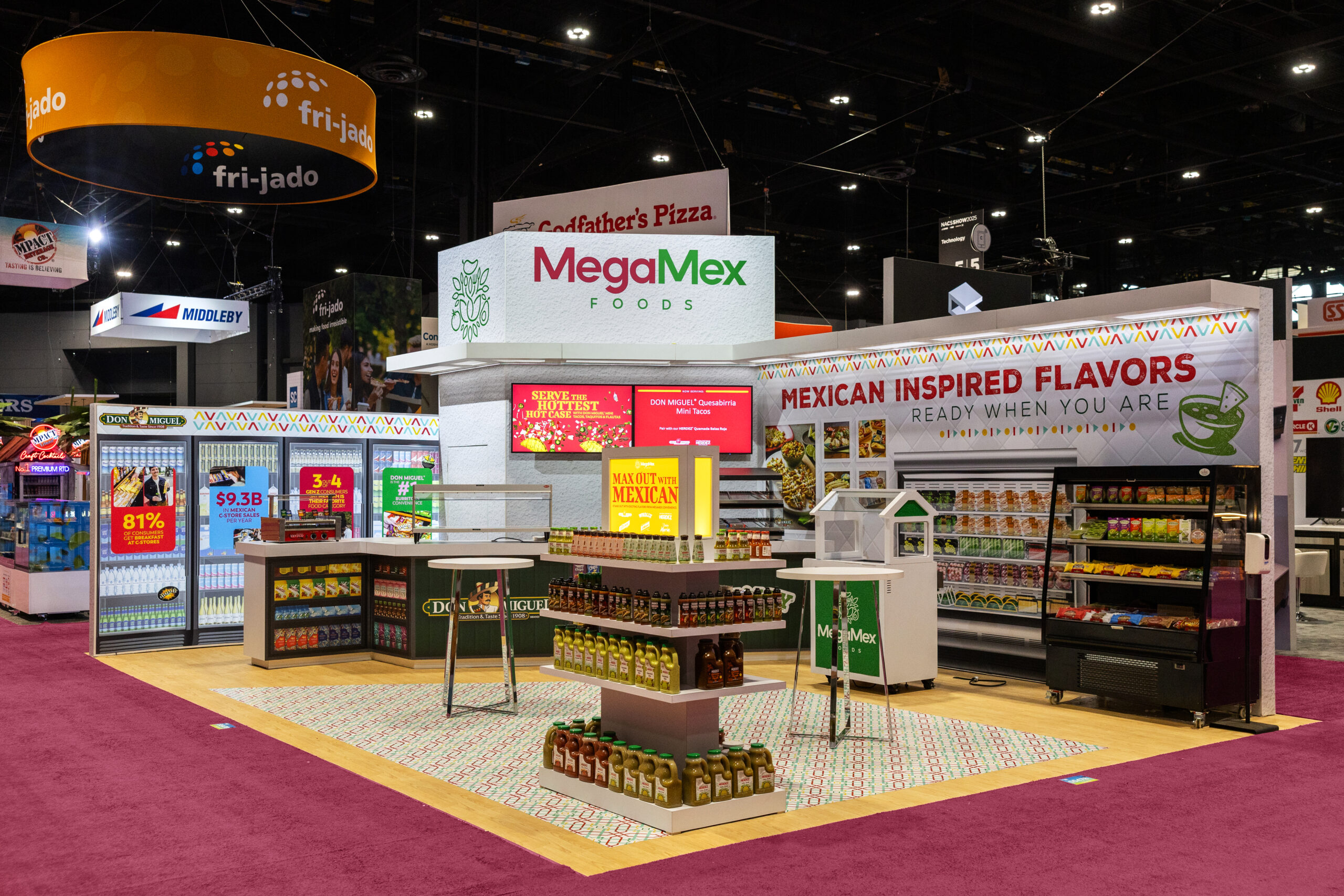
Why This Matters for Exhibitors
Trade shows aren’t just about what happens on the floor. In trade show marketing, building anticipation online is as important as your booth experience. For exhibitors investing in design, logistics, and marketing, the question keeps coming up:
Are hashtags still worth using to promote our trade show presence?
Today, both algorithms and audiences have changed and the answer is nuanced. Algorithms now read context more than tags, but hashtags still serve a measurable purpose when used strategically for event discovery and engagement. What used to drive discovery now signals relevance. For exhibitors, the difference between noise and strategy can determine whether your brand stands out or gets lost in the scroll.
What the Research Says About Event Hashtags
Recent academic research supports the role of hashtags in event engagement:
- A mixed-method study on local events found that hashtag use significantly increased both online engagement and attendees’ intention to participate. (Lin, Lee & Choe, Journal of Hospitality and Tourism Technology, 2023; DOI: 10.1108/JHTT-03-2023-0074)
- Large-scale data analysis (3.5 billion hashtags on X/Twitter) shows that hashtags serve as predictable attention markers which drive bursts of visibility when linked to real-world events. (Chen et al., 2020, arXiv:2004.12707)
While neither study isolates trade show marketing specifically or exhibitor outcomes, both confirm that hashtags amplify visibility and participation intent in live-event contexts.
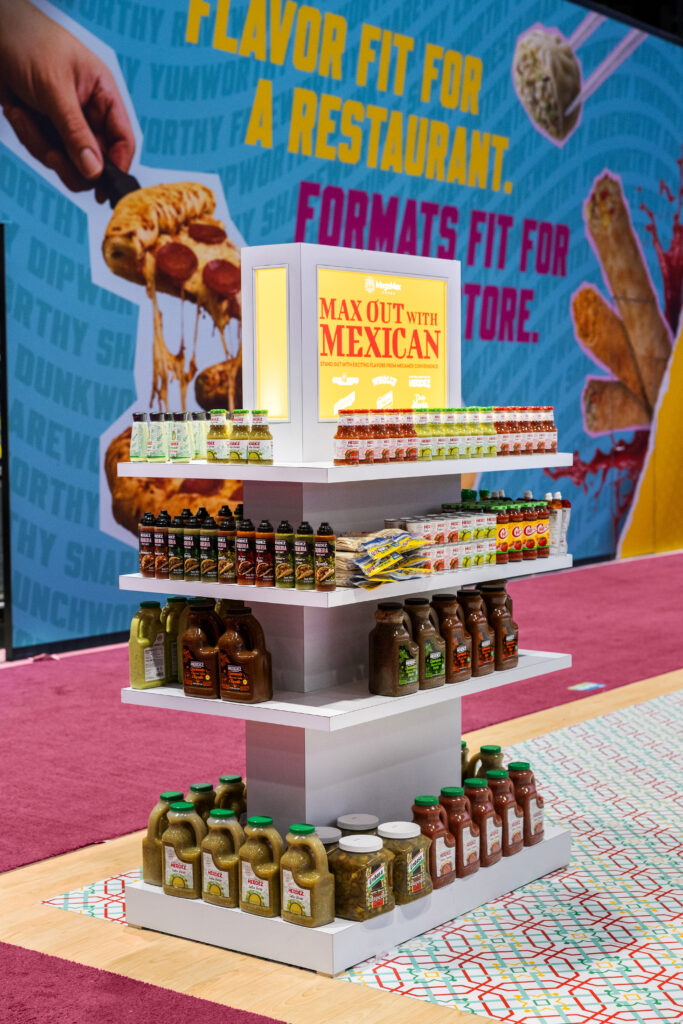
For exhibitors, that means hashtags remain valuable as discovery metadata rather than a driver of virality. They serve as the connective tissue between your content, event, and audience.
How Hashtags Have Evolved
| Platform | Hashtag Role in 2025 | Best Practice for Brands Like MegaMex Foods | Include in Strategy? |
|---|---|---|---|
| Strengthens discoverability for B2B audiences: buyers, distributors, and partners. | Use 1–3 relevant tags (#CPGMarketing #FoodInnovation #MegaMexFoods). | ✅ Core | |
| AI groups posts by theme; hashtags still verify topic and brand context. | Add 3–5 focused tags combining brand, product, and event (#MegaMexFoods #BoldFlavor #NACS2025). | ✅ Core | |
| X (Twitter) | Remains event-driven; ideal for real-time trade show coverage and media mentions. | Pair official event tags (#NACS2025) with branded tags (#MegaMexAtNACS2025 #MegaMexFoods). | ✅ Core (if event-active) |
| TikTok | Uses hashtags for trends and recommendation context; strong for storytelling or product demos. | Use 3–5 creative, campaign-based tags (#SnackInnovation #FoodserviceTrends). | ⚙️ Optional |
| Minimal reach gain; useful for retail, partner, or community posts. | Include 1–2 localized tags (#TexasFood #MegaMexNews). | ⚠️ Limited | |
| YouTube | Hashtags act as metadata for brand stories, recipes, or sustainability content. | Focus on SEO titles; add 1–2 hashtags in descriptions (#MegaMexRecipes #MegaSustainability). | ⚙️ Optional |
| Threads / Bluesky | Low business adoption. | Not needed until usage grows. | ❌ Skip |
Takeaway: Hashtags still play a valuable role on LinkedIn, Instagram, and event-focused platforms like X, helping brands strengthen visibility and engagement as part of an integrated trade show marketing strategy.
Using Branded Hashtags for Campaign Tracking
Unique branded hashtags transform outreach into measurable data. They’re especially useful when launching new product lines, supporting a sustainability campaign, or exhibiting at major trade shows like #NACS2025.
When to use
- To track conversation volume around launches or events.
- To aggregate retailer, influencer, and media mentions.
- To analyze share of voice during key moments like trade shows.
When to skip
- If you’re not monitoring hashtags via analytics tools (i.e. Sprout Social, HootSuite).
- If the event’s official tag already dominates (#NACS2025).
Best practice
- Keep one evergreen brand tag → #MegaMexFoods
- Add an event-specific tag → #MegaMexAtNACS2025
- Add one thematic tag per campaign → #MegaMexFlavor or #MegaMexMoments
- Measure volume, engagement, and referral traffic from social posts to digital content such as landing pages, QR-linked recipes, or partner spotlights.
Applying Hashtags to SEO and AEO/GEO
| Optimization Lens | Purpose | Example for Exhibitors and Marketers |
|---|---|---|
| SEO (Search Engine Optimization) | Reinforces keyword clusters around brand focus areas—innovation, sustainability, category leadership. | Use hashtags that mirror high-performing search terms (#FoodInnovation #SustainablePackaging #BrandStorytelling). |
| AI Optimization (Entity & Context) | Ensures AI systems and generative search engines associate your brand with key topics and events. | Align hashtags and captions with brand entities and markets (#MegaMexFoods #NACS2025 #ConvenienceRetail). |
In short, treat hashtags as semantic anchors. They strengthen both keyword and entity associations so human and AI audiences understand who you are, what you do, and where you show up.
When to Refine Your Hashtag Strategy
If your brand already posts consistently, timing your hashtag adjustments around campaign and event cycles makes the difference between good and great performance.
- Before a New Campaign or Product Launch
Audit which hashtags have historically delivered the highest engagement and reach. Keep what aligns with your core message and remove those that attract irrelevant audiences. - Ahead of Major Events or Trade Shows
Refresh your hashtag list 4–6 weeks before the show. Add official event tags, regional identifiers, and one brand-specific tag—such as #MegaMexAtNACS2025to consolidate mentions. - During Periods of Plateaued Engagement
If impressions or interactions flatten, analyze content analytics and replace generic hashtags with niche, topic-specific ones that reflect what your audience is searching for now (e.g., #ConvenienceFoodTrends instead of #Food). - After Algorithm or Audience Shifts
Reassess hashtags when platforms change how they surface content. Focus on precision over quantity, particularly on LinkedIn and Instagram, where too many hashtags can reduce visibility.
What the Data Doesn’t Show (Yet)
There’s still no published research proving a direct link between hashtag use and sales outcomes in terms of booth traffic, lead conversions, or e-commerce performance. Current studies only confirm that hashtags improve digital engagement and audience intent to interact.
Until social analytics fully integrate with CRM and attribution systems, treat hashtags as visibility amplifiers: useful for expanding reach, reinforcing brand associations, and tracking conversation trends, but not a direct source of conversions.
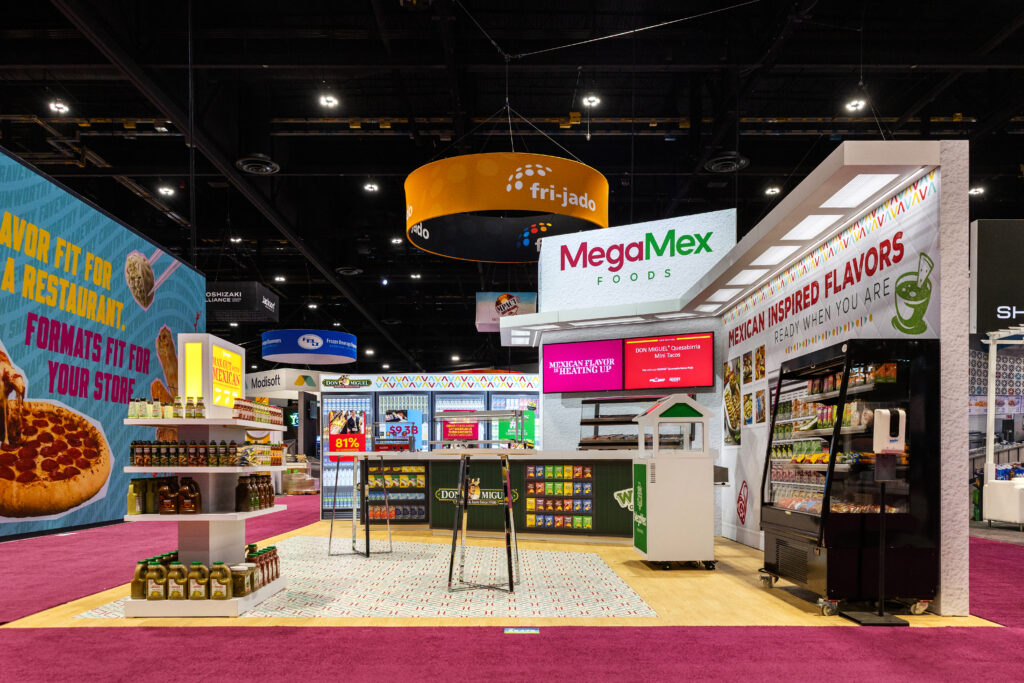
Best Practices for Businesses
For effective trade show marketing, treat hashtags as part of your broader content and audience strategy rather than a standalone tactic.
- Use 1–3 hashtags on LinkedIn and 3–5 on Instagram or TikTok.
- Combine branded, event, and topic-specific tags.
- Integrate target keywords (e.g., “food innovation,” “sustainable packaging,” “CPG trends”).
- Retire generic or vague tags (#Marketing, #FoodIndustry).
- Link posts to owned content—such as sustainability reports, product videos, or trade show recap blogs.
Are Hashtags Dead?
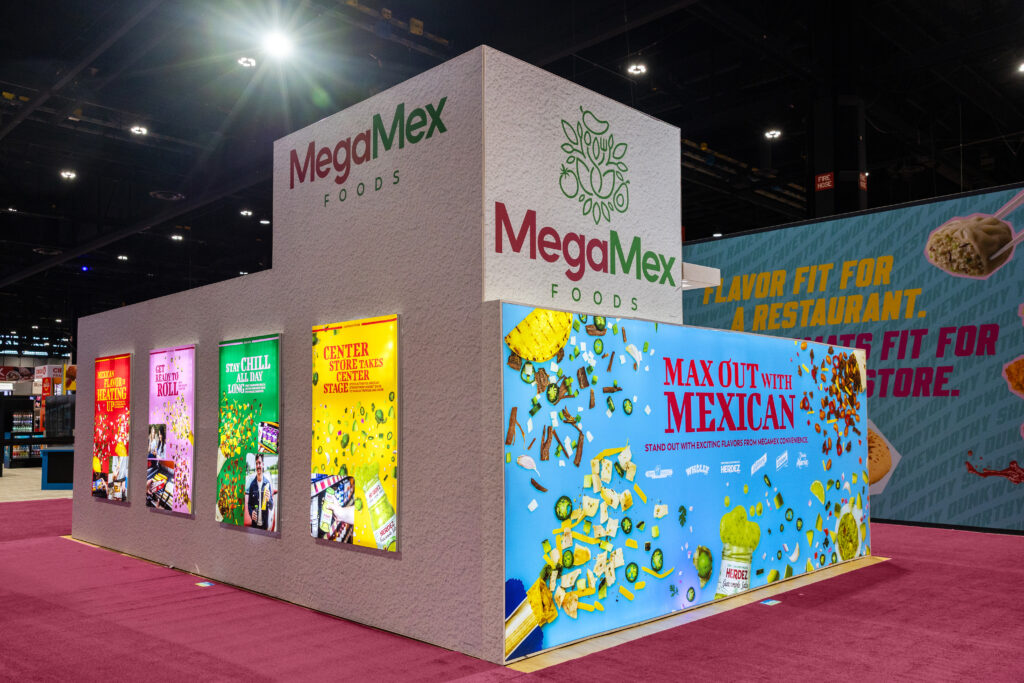
NOT AT ALL!
Hashtags have matured from trend-chasers to semantic connectors that bridge discovery, brand trust, and event storytelling. For modern B2B and B2C brands, whether they’re showcasing products like MegaMex Foods at #NACS2025 or building digital presence year-round, hashtags act as lightweight metadata that reinforce relevance, context, and visibility in both human and AI-driven search.
Used strategically, they help your message surface in the right conversations, whether you are connecting with business buyers, distributors, or consumers.
Frequently Asked Questions
Do hashtags still matter today?
- Yes. Hashtags continue to improve discoverability and reinforce context for AI-driven algorithms across LinkedIn, Instagram, and X. They no longer guarantee virality but remain valuable for connecting event, brand, and audience conversations.
How can exhibitors measure hashtag ROI?
- Direct ROI tracking isn’t possible from hashtags alone, but engagement metrics such as impressions, reach, and click-through rates offer indirect signals. Combine hashtag analytics from tools like Sprout Social or HootSuite with UTM tracking and CRM data to estimate influence on leads and traffic.
How many hashtags should brands use?
- Use 1–3 on LinkedIn, 3–5 on Instagram or TikTok, and 1–2 on X. Prioritize relevance and clarity over quantity to maintain credibility and engagement quality.
Should exhibitors create unique branded hashtags?
- Yes. When they can monitor and measure them. A branded hashtag (for example, #MegaMexAtNACS2025) helps aggregate mentions, track share of voice, and extend event visibility, especially when promoted consistently before, during, and after the show.