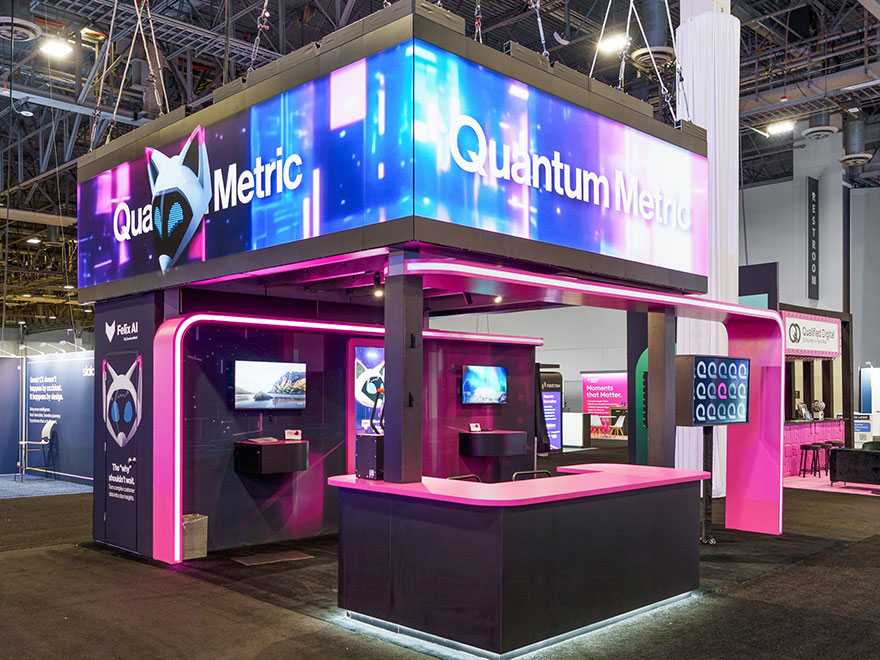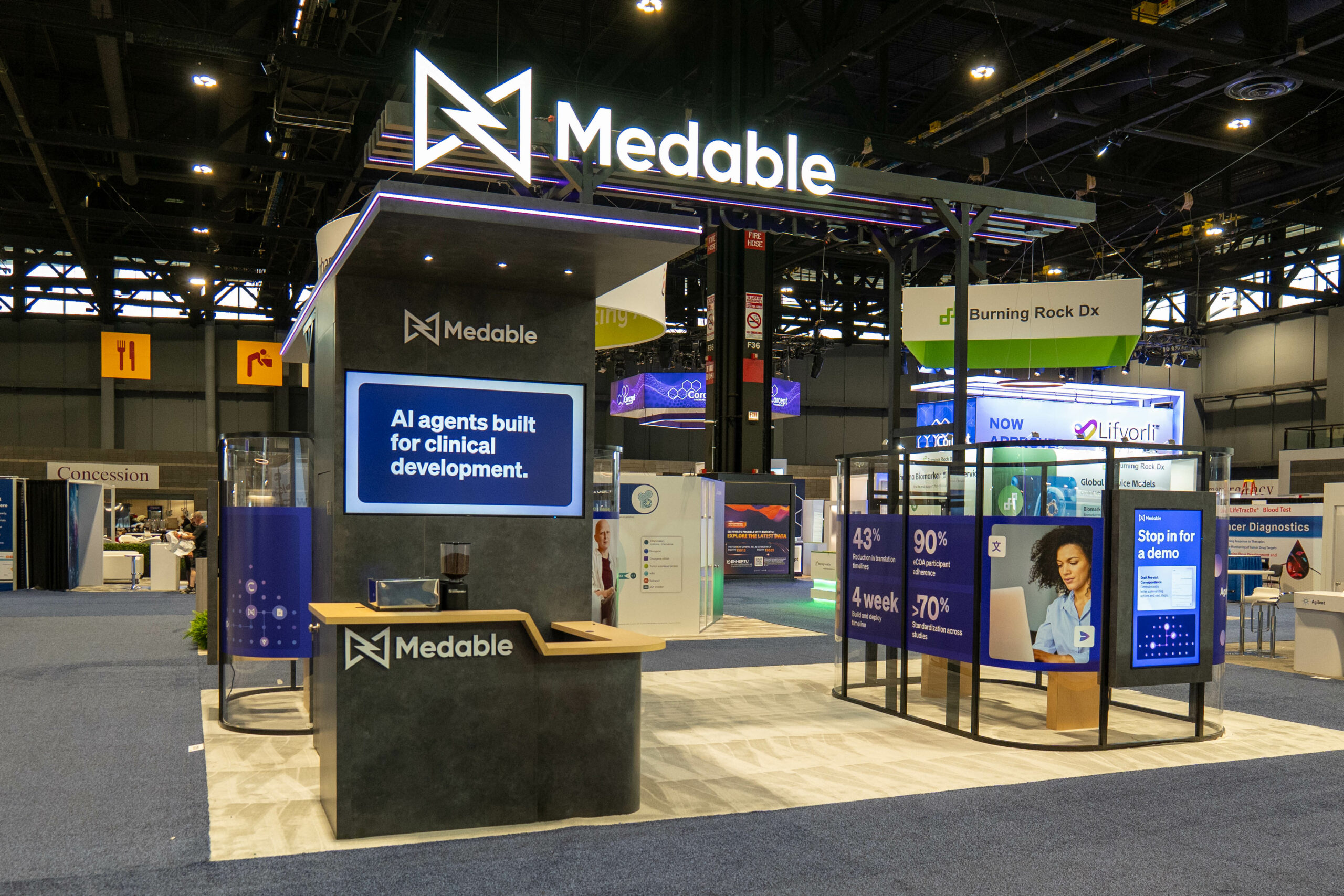
Choosing a trade show booth builder is one of the most important decisions your event marketing team will make.
A well-built exhibit can help your company attract qualified attendees, support face-to-face conversations, launch products, and create a stronger brand presence on the show floor. The wrong partner can cause missed deadlines, unexpected costs, unclear communication, and last-minute stress when your team should be focused on the event.
The stakes are high because trade shows still create meaningful business opportunities.Trade Show News Networkreports that 67% of trade show attendees represent a new prospect and potential customer for exhibiting companies.Cventalso reports that 46% of attendees are in the final stages of their buying decision. In other words, your booth is not just a structure. It is a sales and marketing environment.
The terminology can vary by region. In the United States, companies often search for a trade show booth builder, trade show exhibit builder, custom exhibit builder, or exhibit house. In Europe, companies may refer to the same type of partner as an exhibition stand builder, exhibition stand contractor, exhibition contractor, or exhibition stand company. No matter what term you use, the goal is the same: choose a partner who can design, build, deliver, and support your exhibit with the level of quality your brand needs.
Drawing on Absolute Exhibits’ experience supporting exhibit programs across the U.S. and Europe, this guide explains how to compare booth builders, evaluate proposals, avoid warning signs, and choose the right partner for your next trade show. It explains what a booth builder does, what questions to ask before choosing one, what warning signs to avoid, and what to consider if you exhibit in both the U.S. and Europe.
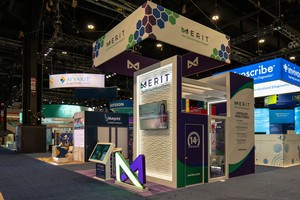
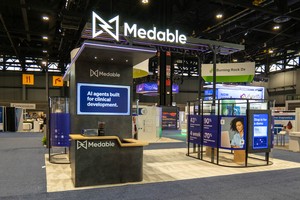
What Does a Trade Show Booth Builder Actually Do?
A trade show booth builder does much more than build walls, counters, and displays. The right partner helps turn your event goals into a functional exhibit environment that works on the show floor.
Depending on the company, a booth builder may support design, engineering, fabrication, logistics, installation, dismantle, storage, and long-term exhibit program management.
Exhibit Design
Exhibit design starts with understanding your goals. Are you launching a product? Meeting existing customers? Booking sales conversations? Creating brand awareness? Supporting distributors? Recruiting partners?
A strong booth builder should translate those goals into a design that supports attendee flow, product visibility, meeting spaces, demos, storage, staffing, and brand storytelling.
This is where experience matters. A rendering may look impressive, but people, products, screens, furniture, and sales staff can quickly expose whether the design actually works. A good exhibit design company thinks about the real show environment, not just the visual concept.
Engineering and Fabrication
After you approve the concept, the booth builder engineers and fabricates the structure. This may include walls, counters, overhead elements, meeting rooms, product displays, double deck structures, lighting, flooring, graphics, AV integrations, and custom architectural features.
For custom exhibits, this stage requires careful coordination between designers, engineers, fabricators, graphics teams, and project managers. The more complex the exhibit, the more important it is to work with a builder who understands structural requirements, venue rules, and show deadlines.
Project Management
Project management is one of the most overlooked parts of choosing a booth builder.
Your project manager should help coordinate timelines, approvals, show forms, service orders, graphics deadlines, shipping details, installation schedules, and on-site needs. Without strong project management, even a beautiful booth can become stressful to execute.
A good project manager also keeps your internal team aligned. They help you understand what is due, what decisions are needed, and what could affect the schedule or budget.
Logistics, Installation, and Dismantle
Trade show logistics can involve freight, drayage, material handling, electrical orders, rigging, internet, furniture, cleaning, labor, and venue approvals. In the U.S., exhibitors often coordinate services through multiple vendors. In Europe, the exhibition stand contractor or venue may bundle more of those services into the overall project.
Either way, logistics can affect both cost and execution. A booth builder that understands these details can help you avoid preventable surprises.
Installation and dismantle also matter. The best design means very little if the booth cannot be installed correctly, safely, and on time.
Storage and Asset Management
If you exhibit more than once, storage and asset management become important. A strong exhibit partner should help you identify which assets you can reuse, refresh, repair, replace, or reconfigure for future shows.
This is especially useful for companies with multiple events, multiple booth sizes, or international programs.
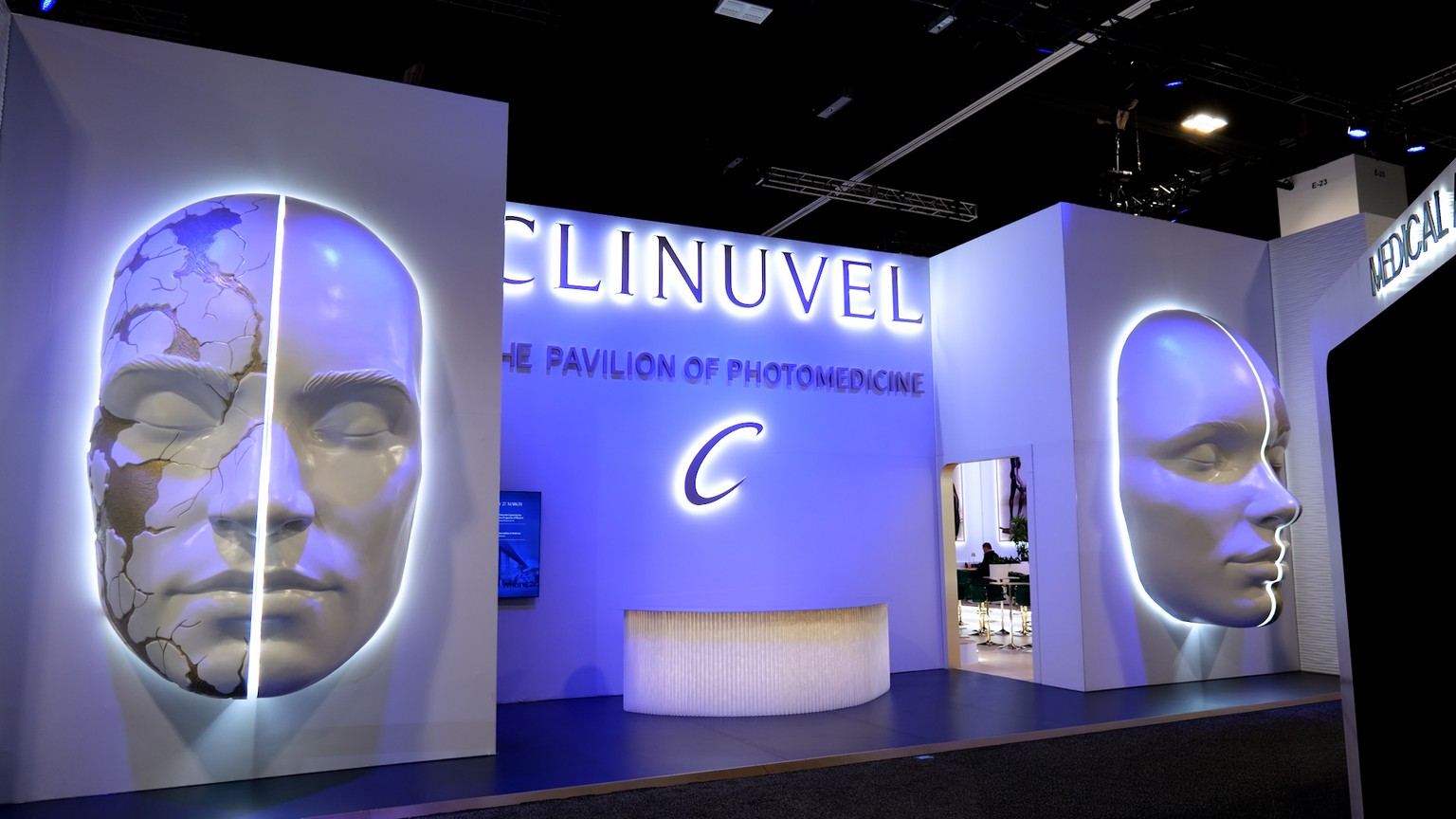

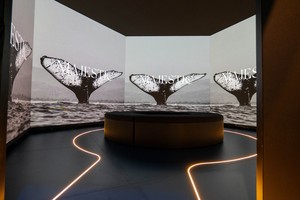
Questions to Ask Before Choosing a Booth Builder
Choosing a trade show booth builder is easier when you know what to ask. Before you compare proposals, ask questions that reveal how each partner thinks, communicates, prices, and solves problems.
Have They Worked With Companies Like Yours?
Industry experience matters because different industries use trade shows differently.
A medical device company may need clean product displays, private meeting rooms, compliance-conscious messaging, and storage for literature or samples. A technology company may need demo stations, large screens, controlled lighting, and meeting areas. A manufacturing company may need heavy product display, durability, and practical traffic flow. A consumer brand may need a highly visual experience designed for photography, sampling, or social sharing.
Ask potential booth builders for examples that match your industry, booth size, goals, or event type. The examples do not need to be identical, but they should show that the builder understands similar challenges.
Good questions include:
- Have you built exhibits for companies in our industry?
- Can you show examples similar to our booth size?
- Have you supported this show or venue before?
- What would you recommend based on our goals?
- What mistakes do companies like ours commonly make?
A strong booth builder should do more than say yes. They should be able to explain what they learned from similar projects and how that experience applies to your exhibit.
Can They Support the Markets You Exhibit In?
Many companies start with one major show, then expand into more markets. If your company exhibits in the U.S. and Europe, or plans to, this question becomes especially important.
A local booth builder may be a good fit for one event. However, if your program spans Las Vegas, Orlando, Frankfurt, Milan, Amsterdam, Barcelona, or Dubai, you need to know whether the partner can support that growth.
Ask:
- Do you support both U.S. and European trade shows?
- Do you have regional production capabilities?
- Can one team manage multiple countries?
- Will we have one point of contact or multiple vendors?
- How do you keep brand standards consistent across markets?
This is where many companies start to feel the pain of fragmented vendor management. One builder may work well in one country but struggle to scale across multiple markets. That can create inconsistent quality, repeated onboarding, different interpretations of brand guidelines, and more work for your internal team.
What Services Are Included?
Not all booth builders provide the same level of service. Some focus on design. Others focus on fabrication. Some outsource logistics, graphics, installation, or storage. None of these models are automatically wrong, but you need to know what is included before you compare proposals.
Ask whether the proposal includes:
- Exhibit design
- 3D renderings
- Engineering
- Fabrication
- Graphics
- Flooring
- Furniture
- AV
- Shipping
- Drayage estimates
- Show services support
- Installation and dismantle
- Storage
- Post-show repairs
- Project management
This is especially important when comparing quotes. A lower quote may not include shipping, labor, material handling, electrical, rigging, storage, or post-show support. If one proposal includes those items and another does not, the lower number may not reflect the true cost.
Who Will Manage Your Project?
The person managing your project can make or break the experience.
A strong project manager keeps deadlines visible, communicates clearly, and helps your team stay ahead of decisions. A weak project management process can leave your team chasing updates, re-explaining details, or discovering problems too late.
Ask:
- Who will be our main point of contact?
- How many projects does that person manage at once?
- How often will we receive updates?
- What happens if our project manager is unavailable?
- Who handles show forms and service deadlines?
- Who is responsible if something goes wrong on-site?
You should also pay attention to the sales process. If communication is slow or vague before you sign, it may not improve after you become a client.
Can They Show Relevant Examples?
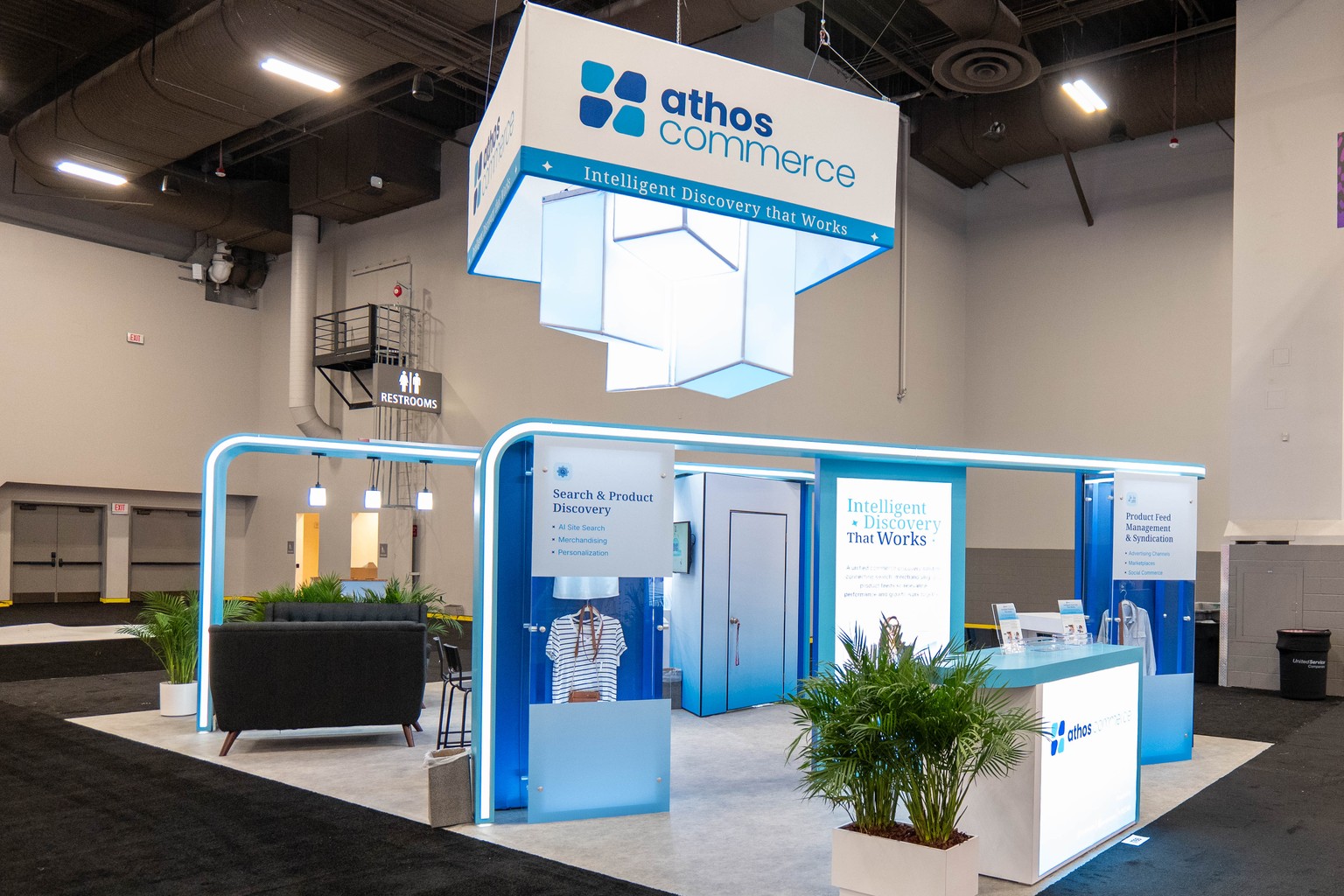
A portfolio should include photos of completed exhibits, not only renderings. Renderings are useful during the design process, but show-floor photography proves that the booth builder can execute the concept, manage materials, solve installation details, and deliver a finished exhibit that looks professional in a real trade show environment.
A portfolio should also do more than show pretty photos. It should help you understand whether the booth builder can solve the kind of problem you have.
Look for examples that show:
- Similar booth sizes
- Similar industries
- Similar event types
- Similar levels of complexity
- Similar geographic markets
- Successful reuse or adaptation across shows
Ask the builder to explain the strategy behind the examples. They should be able to discuss the client’s goals, why the exhibit was designed that way, which constraints shaped the project, and how the final booth translated from concept to show floor.
The answers will tell you whether the company thinks like a strategic partner or simply executes production requests.
How Transparent Is Their Pricing?
Budget surprises are one of the most common reasons companies switch exhibit partners.
Trade show costs can be difficult to predict, especially in the U.S., where exhibitors often pay separately for drayage, electrical, internet, carpet, furniture, rigging, and labor. In Europe, more items may be bundled, but venue services, catering, AV, furniture, and local transport can still add significant cost.
Ask:
- What is included in this estimate?
- What is not included?
- Which costs are fixed?
- Which costs are estimated?
- What costs are billed after the show?
- What show services should we budget for separately?
- What deadlines affect pricing?
- What assumptions are built into this quote?
Some exhibit partners also offer a more all-inclusive pricing approach, which can make budgeting easier for exhibitors. For example, Absolute Exhibits uses an all-inclusive pricing model across its U.S. and European programs to help exhibitors understand more of the expected investment before the booth reaches the show floor.
A good trade show booth builder should be willing to walk you through the full cost picture. They should not only quote the exhibit. They should help you understand the total investment required to get that exhibit onto the show floor.
How Do They Handle Problems On-Site?
Every experienced exhibitor knows that trade shows involve variables. Freight can be delayed. Graphics can arrive damaged. Venue rules can shift. Labor can run behind. Electrical drops can be placed incorrectly. A product can change before the show opens.
The question is not whether problems can happen. The question is how your booth builder responds when they do.
Ask:
- Do you provide on-site supervision?
- Who handles emergencies during install?
- What backup plans do you build into the schedule?
- How do you handle missing or damaged materials?
- Have you ever had to rebuild or replace an exhibit element quickly?
- What is your escalation process during move-in?
A vendor waits for instructions. A partner helps solve the problem.
What Happens After the Show Ends?
Many exhibitors focus so much on getting to opening day that they forget to ask what happens after the show.
Post-show support matters if you plan to reuse, store, sell, modify, or expand your exhibit program. It also matters if your exhibit needs repairs, graphics updates, reconfiguration, or shipping to another event.
Ask:
- Where will the exhibit be stored?
- What happens after dismantle?
- Will we receive a post-show report?
- Can the booth be reused for different footprints?
- What should be repaired or replaced?
- Can you support our next show?
- How do you manage exhibit assets over time?
The right partner should help protect your investment beyond one event.
U.S. vs European Considerations When Choosing a Partner
If your company exhibits internationally, choosing a booth builder becomes more complex.
UFI, the Global Association of the Exhibition Industry,reported that Europe welcomed 102 million exhibition visitors in 2024, making it the largest market by visitors worldwide. That scale creates opportunity, but it also requires planning.
A company that understands both U.S. and European exhibiting can help you avoid assumptions that lead to budget, timeline, and experience problems.
Terminology Is Different
In the U.S., you may hear:
- Trade show booth builder
- Trade show exhibit builder
- Exhibit house
- Custom exhibit builder
- Booth contractor
In Europe, you may hear:
- Exhibition stand builder
- Exhibition stand contractor
- Exhibition contractor
- Stand builder
- Exhibition stand company
The terms often overlap, but the service model can differ. In the U.S., more services are frequently separated by vendor. In Europe, exhibition stand contractors may bundle more of the stand build, labor, and local logistics into one package.
Booth Norms Are Different
U.S. exhibitors are often used to pipe and drape, 10×10 booth increments, and a more open exhibit environment. European booths often use hard wall systems, metric measurements, and a standard 3m x 3m footprint for smaller stands.
In Europe, hospitality also plays a larger role. Many booths include coffee service, seating, storage, and sometimes full kitchen functionality. For U.S. companies exhibiting in Europe for the first time, this can be surprising. At minimum, it is common to plan for coffee, water, and light refreshments.
Meeting style can also differ. European trade show conversations often take more time and focus more heavily on relationship building, networking, and in-depth business discussions. A booth designed only for quick badge scans and fast demos may feel out of step in that environment.
Labor and Cost Structures Are Different
European exhibitors coming to the U.S. are often surprised by union labor rules, separate show service vendors, drayage, and final invoices that change based on actual labor hours or material handling.
In many U.S. venues, exhibitors cannot perform certain installation, dismantle, electrical, or rigging tasks themselves. In some cases, they may not even be allowed to plug in their own monitor. Rules vary by city, venue, and show.
U.S. exhibitors going to Europe often experience the opposite surprise. Shipping, material handling, and stand setup may be more bundled, but venue services, electricity, water, rigging, waste disposal, furniture, AV, and catering can still add meaningful cost.
The lesson is simple: do not assume the rules from one market apply to another.
International Logistics Require More Planning
If you are shipping exhibit materials internationally, customs documentation can become part of the process.The International Chamber of Commerce explainsthat an ATA Carnet permits duty-free and tax-free temporary import of goods for up to one year. This can matter for certain types of equipment, samples, or exhibit materials crossing borders.
Even when you build locally, international exhibiting still requires planning for venue approvals, language differences, time zones, hospitality expectations, local labor rules, and country-specific requirements.
That is why international support should be evaluated before you need it, not after your team is already committed to a show.
What to Look for in an International Exhibit Partner
If your company exhibits in multiple countries, the right partner should reduce complexity rather than add to it.
Regional Production Capabilities
Ask where your exhibit will be built. Building locally can reduce shipping risk, customs complexity, and freight cost. It can also make last-minute changes easier.
For U.S. companies exhibiting in Europe, local or regional production can be especially valuable. Rather than shipping an entire booth across the ocean, a regional production team may be able to build, rent, adapt, or refresh exhibit assets closer to the venue.
Cross-Border Project Management
A multi-country exhibit program can become difficult when every show requires a new vendor. Different vendors may have different quality standards, timelines, communication styles, and interpretations of your brand.
A strong international exhibit partner should help create continuity. That means clear ownership, centralized communication, and a consistent understanding of your goals across markets.
Consistent Brand Standards
Your exhibit does not need to look identical in every country, but it should feel like the same brand. Materials, graphics, messaging, lighting, finishes, and meeting spaces should support a consistent brand experience.
Ask how the partner manages brand guidelines across regions. Also ask whether they can adapt a design to different booth sizes, venue rules, and cultural expectations without losing the core brand identity.
Storage and Reuse Programs
International programs can become more efficient when assets are stored, reused, rented, or adapted instead of rebuilt from scratch every time.
This is especially important as sustainability becomes a larger concern for exhibitors and event organizers. Reuse strategies can reduce waste, protect budgets, and make future shows easier to plan.
One Point of Accountability
A single-source model can reduce the coordination burden that often comes with international exhibiting. When one partner understands your program across markets, your internal team spends less time managing vendors and more time preparing for the event itself.
That does not mean one company must perform every task in-house. It means one partner should be accountable for the outcome.
Warning Signs to Avoid
Not every booth builder is the right fit. Watch for these warning signs before signing a contract.
Unrealistically Low Quotes
A low quote is not always a problem. However, an unrealistically low quote should make you pause.
If one proposal is much lower than the others, ask what is missing. It may exclude shipping, labor, drayage, graphics, flooring, furniture, electrical, AV, or storage. It may also rely on assumptions that will change later.
The cheapest proposal can become expensive if the real costs appear after approval.
Vague Scope of Work
A vague scope creates confusion. It also makes accountability harder.
Your proposal should clearly state what is included, what is excluded, who is responsible for each item, and which costs are estimated. If the scope is unclear, ask for clarification before moving forward.
Poor Communication Early in the Process
Slow or unclear communication during the sales process is a warning sign. If a booth builder misses follow-ups, avoids direct answers, or fails to explain the process before you sign, communication may become even more difficult once deadlines are active.
Strong partners communicate early, clearly, and proactively.
No Relevant Portfolio
A booth builder does not need to have built your exact booth before. However, they should be able to show relevant experience.
Be cautious if the portfolio does not match your booth size, market, industry, or complexity. Also be cautious if a builder only shows renderings and cannot provide photos of completed exhibits. Renderings can show design potential, but finished photos show execution.
A company that relies on standard exhibit kits may not be the right partner if you need a booth system that can be adapted across different booth sizes, layouts, and events. Many providers offer similar modular packages that look nearly identical from one exhibitor to the next. If your program requires flexibility, customization, or the ability to reconfigure assets for multiple shows, look for examples that demonstrate creative use of systems rather than the same kit repeated across projects.
No Pushback or Strategic Thinking
Some companies will build exactly what you ask for, even if the idea is not practical. That may feel easy at first, but it can create problems later.
A strong booth builder should bring ideas. They should ask questions, challenge weak assumptions, and suggest improvements. You are not just hiring production capacity. You are hiring experience.
Limited International Experience
If you exhibit outside your home market, international experience matters. A partner who does not understand local venue rules, labor models, cultural expectations, or cost structures can create unnecessary risk.
This is especially important for U.S. companies going to Europe and European companies entering the U.S. The two markets operate differently, and those differences affect budget, planning, staffing, and booth experience.
No Post-Show Support
If the relationship ends when the show closes, you may be left managing storage, repairs, asset tracking, and future reuse on your own.
A strong exhibit partner should help you think beyond a single event.
How Early Should You Hire a Booth Builder?
Lead times depend on booth size, complexity, market, venue, approvals, internal decision-making, and show season. However, one rule applies almost everywhere:
The best time to hire a booth builder is earlier than the production timeline suggests.
A booth may be possible to build in a compressed window, but that does not mean your team should plan that way. Earlier planning gives you more room for strategy, design exploration, budget approval, leadership review, show service deadlines, venue requirements, graphics production, shipping coordination, and unexpected changes.
It is also important to account for your company’s internal approval process. The timelines below reflect when your team should ideally begin working with a booth builder. If your organization requires extra time for procurement, budget approval, legal review, executive sign-off, product planning, or brand approvals, add that time before these windows begin.
| Exhibit Type | Ideal Time to Engage a Booth Builder | Add Internal Approval Time Before This |
|---|---|---|
| Rental exhibit | 6 to 8 months before the show | Add time for budget approval, stakeholder alignment, booth goals, and procurement. |
| Custom exhibit | 9 to 12 months before the show | Add time for strategy, budget approval, leadership review, product planning, and brand direction. |
| Double deck exhibit | 9 to 12 months before the show | Add time for booth space decisions, leadership approval, budget review, and internal alignment before engineering begins. |
| First-time international program | 12 to 18 months before the show | Add time for your team to understand local cost structures, labor models, travel needs, hospitality expectations, and regional planning differences. |
Rental Exhibits
For rental exhibits, start evaluating booth builders 6 to 8 months before the show.
Rental exhibits can often move faster because the builder is configuring, customizing, and branding existing exhibit inventory rather than fabricating everything from scratch. However, your team still needs time to review options, confirm availability, approve layouts, prepare graphics, submit show service orders, and coordinate shipping and installation.
This timing also gives your team more room to compare partners before inventory, labor, and production capacity become limited during peak show seasons.
Custom Exhibits
For custom exhibits, start evaluating booth builders 9 to 12 months before the show.
A custom exhibit is not just a physical build. It usually requires strategy, discovery, design concepts, revisions, budget approvals, engineering, fabrication, graphics, shipping, installation planning, and show services coordination.
The physical production timeline may be shorter than the full planning window, but internal decision-making often takes longer than expected. Leadership reviews, procurement, legal approvals, product changes, campaign updates, and design revisions can all affect the schedule.
For major annual shows, product launches, or new brand experiences, 9 to 12 months gives both your team and your booth builder a stronger planning foundation.
Double Deck Exhibits
For double deck exhibits, start evaluating booth builders 9 to 12 months before the show.
Double deck exhibits often follow a similar overall planning window as custom exhibits, but they require additional attention to engineering, venue approvals, safety requirements, fire marshal review, and booth location planning.
The build itself may be possible in a shorter window, but the approval process is often the timeline driver. A booth builder can manage documentation and submissions, but they cannot always compress the review process controlled by show organizers, venues, engineers, or fire marshals.
If your company is considering a double deck exhibit, confirm early that your booth space, venue, and show rules allow it.
First-Time International Programs
For a first international trade show program, start evaluating booth builders 12 to 18 months before the event whenever possible.
This applies whether a U.S. company is exhibiting in Europe or a European company is exhibiting in the U.S.
For U.S. companies exhibiting in Europe, extra planning time helps your internal team understand metric booth sizes, hard wall systems, hospitality expectations, venue services, country-specific rules, and international travel planning.
For European companies exhibiting in the U.S., extra planning time is just as important. Many European exhibitors are surprised by union labor requirements, separate show service vendors, drayage, electrical ordering, material handling, and post-show invoices based on actual labor or freight activity. The U.S. system can feel more fragmented than the bundled pricing models many European exhibitors are used to.
Your booth builder should guide the execution, but your internal team still needs time to understand how the market works, align expectations, approve the budget, and prepare staff for a different show environment.
A Note on Compressed Timelines
Experienced booth builders can often work within compressed timelines. However, compressed timelines usually reduce options and can increase costs.
You may have fewer design rounds, fewer material choices, less time for internal review, higher production rush fees, and less flexibility if something changes. In the United States, compressed timelines can also lead to higher costs from show organizers and service providers. Electrical, internet, rigging, material handling, labor, and other show services often have advance-order deadlines, and ordering after those deadlines may trigger late-order pricing.
Similar pricing structures exist at many European trade shows, although the specific rules vary by organizer, venue, and country. Exhibitors may encounter higher rates for late service orders, expedited production, last-minute graphics, rush freight, or labor requested outside standard planning windows. While the European system is often more centralized than the U.S. model, waiting too long can still reduce options and increase costs.
For that reason, the best question is not, “How fast can this be built?” It is, “When should we start so the process does not become reactive?”
Trade Show Booth Builder Evaluation Checklist
Use this checklist when comparing trade show booth builders, exhibit houses, exhibition stand builders, or exhibition contractors.
A strong partner should provide:
- Relevant industry experience
- Examples of similar booth sizes
- A clear design process
- Engineering and fabrication expertise
- Dedicated project management
- Transparent pricing
- Clear scope of work
- Show services guidance
- Logistics coordination
- Installation and dismantle support
- On-site problem-solving
- U.S. market knowledge
- European market knowledge, if applicable
- International support, if applicable
- Storage and asset management options
- Post-show support
- Reuse or rental options
- A realistic planning timeline
- Clear communication from the start
Final Thoughts
Choosing a trade show booth builder is not just about choosing who can build the booth. It is about choosing who can help you protect the investment behind it.
The right partner should understand your goals, guide your team through the process, communicate clearly, identify risks early, and help create an exhibit that works in the real world. That means thinking beyond design alone. It means planning for budget, logistics, approvals, labor, attendee behavior, brand consistency, and what happens after the show.
Whether you call them a trade showbooth builder, exhibit house, exhibition stand builder, or exhibition contractor, the best partner should function as an extension of your team.
If your team is evaluating trade show booth builders or exhibition stand contractors for an upcoming U.S. or European event, Absolute Exhibits can help you compare options, plan timelines, and build a booth strategy that fits your goals.
Frequently Asked Questions About Trade Show Booth Builders
What is an exhibition stand builder?
An exhibition stand builder is a company that designs, builds, and installs stands for trade shows, exhibitions, and business events. The term is commonly used in Europe. In the U.S., similar companies may be called trade show booth builders, exhibit houses, or trade show exhibit builders.
What is an exhibit house?
An exhibit house is a U.S. term for a company that provides trade show exhibit services. This may include design, fabrication, project management, logistics, installation, dismantle, storage, and exhibit program support.
What is the difference between an exhibit house and an exhibition contractor?
The terms often overlap, but usage varies by region. In the U.S., exhibit house is a common term for a full-service trade show exhibit partner. In Europe, exhibition contractor or exhibition stand contractor is more common. The services may be similar, but local labor rules, pricing models, and project structures can differ.
How early should I hire a booth builder?
Start evaluating booth builders 6 to 8 months before the show for rental exhibits and 9 to 12 months ahead for custom exhibits or double decks. First-time international programs need a longer runway, especially when your team must account for venue rules, labor models, approvals, travel, logistics, cost differences, and regional expectations in the U.S. or Europe.
Should I choose a local booth builder?
A local booth builder can be useful for a single event in one market. However, if your company exhibits in multiple cities, countries, or regions, you may benefit from a partner with broader capabilities and centralized project management.
Can one exhibit partner support events in the U.S. and Europe?
Yes. Some exhibit partners can support trade shows in both the U.S. and Europe, but exhibitors should confirm how that support is structured. Look for regional production capabilities, strong project management, experience with different venue rules and labor models, and the ability to keep brand standards consistent across markets.
Absolute Exhibits supports exhibit programs in both the U.S. and Europe, helping companies manage trade show booth design, exhibition stand builds, logistics, and project coordination across regions.
How much experience should a booth builder have?
A booth builder should have experience with the type of exhibit program you are planning, not just years in business. Look for examples that match your booth size, industry, show type, market, and level of complexity.
For larger or recurring exhibit programs, ask about storage, refurbishment, reconfiguration, graphics updates, shipping, reuse, and asset management. If you exhibit internationally, confirm that the booth builder understands U.S. and European venue rules, labor models, cost structures, and exhibitor expectations.
The better question is not only, “How long have you been in business?” It is, “Have you successfully managed exhibit programs like ours?”
What should be included in a booth builder proposal?
A booth builder proposal should clearly explain what is included, what is excluded, which costs are fixed, and which costs may change after the show. This is especially important because trade show costs can vary depending on shipping, installation, dismantle, venue services, labor, electrical, rigging, storage, and post-show support.
For larger or international exhibit programs, ask whether the proposal gives you a full view of the expected investment, not just the cost of the booth structure. A transparent proposal helps exhibitors compare partners more accurately and avoid budget surprises.